

Start with Your Space and Setup
Before you fall for a pretty face at a poultry auction, measure what you can offer. A standard hen needs 25cm of perch space, 20cm of feeder width, and one nest box per four to five birds. In a covered run, allow at least 1 square metre per hen. Free-ranging on grass reduces that, but muddy UK winters soon turn a small run into a swamp. Fox-proofing is non-negotiable: use weld mesh, not chicken wire, and cover the run. A covered run also protects against avian flu housing orders. If your plot is tiny, consider bantams such as Pekin or Dutch — they need less space, though their eggs are smaller. Keep hens away from kitchen garden seedlings unless you use movable electric netting or a chicken tractor to rotate them onto fresh ground.
Match Breeds to Your Egg Expectations
Think honestly about how many eggs you need and for how long. The main routes are:
- Hybrid layers (Bluebelle, Speckledy, ISA Brown): 280–320 eggs a year, rarely broody, and efficient — around 120g feed per bird daily. They lay well for two to three years.
- Heritage dual-purpose (Sussex, Rhode Island Red, Orpington, Marans): 150–250 eggs, longer lived, good for breeding, but eat more and may start later.
- Speciality layers (Cream Legbar for blue eggs, Leghorn for white, Marans for dark brown): lower output, rewarding colour and character.
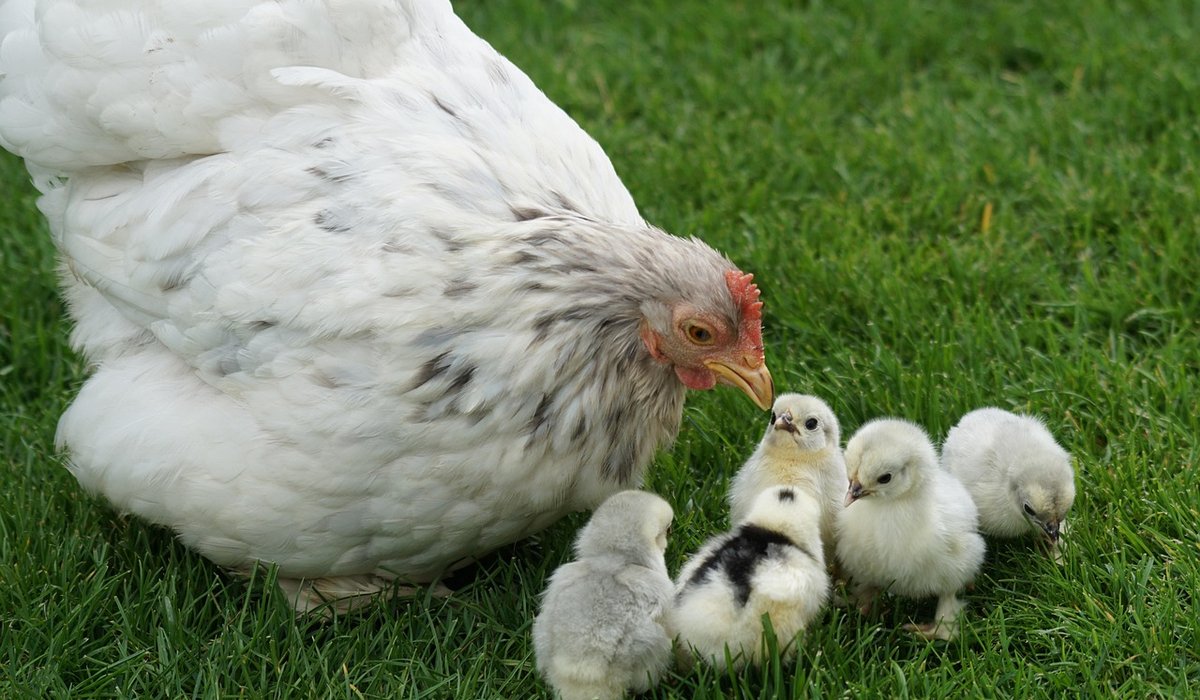
Egg colour does not affect taste or nutrition. For winter eggs, choose hybrids or reliable layers like the Sussex. Most heritage breeds moult and stop for weeks in autumn. If you want to hatch chicks, keep a broody breed such as Silkie or Cochin — but they will sit on eggs instead of providing breakfast.
Temperament and Family Friendliness
A calm flock is a joy; a flighty one stresses everyone. For children, choose docile heavy breeds: Orpington, Sussex, Wyandotte or Cochin. They tolerate handling and rarely panic. Avoid flighty Mediterranean breeds like Leghorn, Ancona or Andalusian. Silkies are gentle but their feathered feet and crests need extra care in wet weather. Rescue hens can become wonderfully tame with patience, though they may arrive with feather loss. Cockerels are not needed for eggs and can become noisy or aggressive; check local rules first. If you have a cockerel, provide at least six hens to spread his attention. Always supervise children, and pick up hens by supporting breast and legs — never by a wing or tail.
Hardiness for UK Weather
British weather is wet and windy, so choose hardy breeds. Large single combs lose heat and can suffer frostbite in a cold snap; rose combs (Wyandotte, Dorking, Scots Grey) are better. Feathered legs (Cochin, Brahma) collect mud balls in clay soil, which can cause infection. Tight-feathered heritage breeds — Sussex, Orpington, Dorking, Marsh Daisy, Scots Dumpy — cope well with damp and cold. Provide a dry, ventilated coop raised off the ground and a covered run. Plant a windbreak hedge or use clear plastic sheeting on the run’s prevailing side. Add a dust bath of dry sand and wood ash to control parasites. In winter, increase bedding and check for drafts, but never block ventilation completely.
Feeding, Broodiness and Long-Term Care
Appetites vary: a large Orpington may eat 150g of layers' pellets daily, a hybrid layer 120g. Offer crushed oyster shell for strong shells, and grit for digestion. Broodiness also varies — Silkies, Cochins and Orpingtons go broody often, sometimes twice a season. If you want eggs, collect daily and provide a cool, well-lit coop. If you want to hatch, a broody hen is invaluable. Hybrids almost never sit. Plan for the long haul: hens live six to eight years but lay best in their first two or three. Budget for red mite treatment, worming and occasional vet visits. Keep at least three hens; a single bird will be lonely and stressed.
Bringing Your Flock Home
Start with three or four hens at point of lay (16–22 weeks old). This gives eggs within weeks and avoids chick-rearing. Source from a reputable breeder or rescue centre; avoid mixing bantams with large fowl, as smaller birds get bullied. Quarantine new arrivals for two weeks, watching for sneezing, diarrhoea or mites. Introduce slowly: see but no touch through a wire divider, then supervised mixing. Provide perches at different heights, several feeders and drinkers, and a dust bath. Check local rules on cockerels and bird numbers. Keep a simple record of laying, moulting and any health issues. Then simply enjoy watching them — a happy flock rewards you with eggs, entertainment and a richer smallholding.


Coding is used in almost all aspects of life and work now, be it directly or indirectly. It’s not just for companies in the tech sector. “An increasing number of businesses rely on computer code,
Coding is used in almost all aspects of life and work now, be it directly or indirectly. It’s not just for companies in the tech sector. “An increasing number of businesses rely on computer code,
Coding is used in almost all aspects of life and work now, be it directly or indirectly. It’s not just for companies in the tech sector. “An increasing number of businesses rely on computer code,