

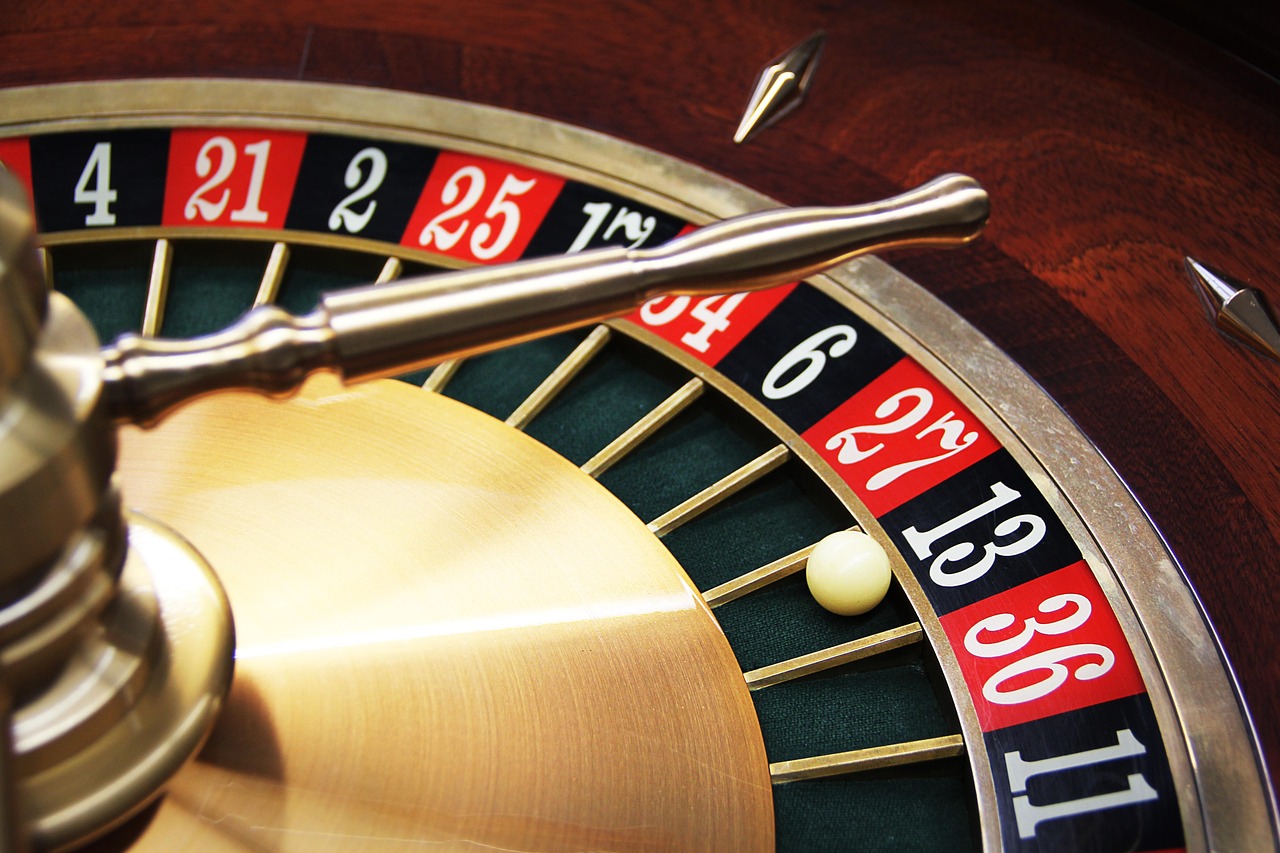
The math is brutal and everybody knows it. Slot machines hold between 2% and 15% of every dollar you feed them depending on the game and the jurisdiction. Roulette wheels with a double zero bleed you at 5.26% per spin. Yet millions of people log in every day, and a surprising number of them are not delusional — they're entertained, disciplined, and occasionally up. The trick is understanding what you're actually buying with your bankroll, and treating the experience accordingly.
If you've spent any time around iGaming, you've heard the standard warnings a hundred times. What you rarely get is a straight conversation about what separates players who have a good time from players who get wrecked. That's the gap this piece tries to close.
What the Odds Actually Tell You
Every casino game is a negotiation between the payout and the probability. Blackjack with basic strategy drops the house edge to roughly 0.5%, which is why it's the only table game where skilled players get genuinely close to even. Baccarat's banker bet sits around 1.06%. Video poker with the right paytable can dip under 1%. Then you have keno and big-jackpot slots where the house can take 25% or more, and the trade-off is that the ceiling is enormous.
Here's the part most articles skip: a low house edge doesn't matter if the game is slow. A 0.5% edge on blackjack played at 60 hands per hour with $20 bets means you're losing about $6 an hour on average. A 4% edge on slots at 600 spins per hour with $0.50 spins means you're losing $12 an hour. Different games, different rhythms, surprisingly similar bleeding. What you're really choosing is the shape of your variance, not whether you'll beat the math.
Serious players think in terms of expected loss per hour, not per bet. That one mental shift changes which games you sit down at.
Slots: Not All Spinners Are Built Equal
Slots get a bad reputation, and some of it is earned. But the category is far more varied than the uninitiated assume.
- Volatility is the real variable. A high-volatility slot like a typical Megaways title might pay nothing for 200 spins, then dump 500x on one bonus. Low-volatility games like most classic three-reelers pay small and often. Neither is better — they suit different bankrolls and different temperaments.
- RTP is published in most regulated markets. Look for games at 96% or above. The difference between a 94% and a 96% slot sounds trivial until you realize it's a 50% increase in the house's cut.
- Megaways and cluster-pays aren't inherently better. They often raise max wins while lowering hit frequency.
A practical rule: match your session bankroll to the volatility. If you buy in for $50, a high-volatility slot will likely eat it before you ever see a bonus. Pick something with a gentler curve.
Poker Is a Skill Game Wearing a Casino's Clothes
Poker is the outlier. Against a table of weaker players, a competent grinder can be profitable over the long run — the rake is the only fixed leak. Online cash games run 4-6% rake capped at a few big blinds, and the win rate of a solid player at low stakes might be 5-10 big blinds per 100 hands. That's a thin margin that vanishes fast if you're chasing losses or playing tired.
What kills most recreational poker players isn't bad luck. It's three predictable leaks:
- Playing too many starting hands. If you're entering 40% of pots in a full-ring game, you're donating.
- Calling too much on the river. The pot odds look tempting right up until you realize your opponent never bluffs in that spot.
- Ignoring position. The button is worth more than any hole cards you'll ever be dealt.
If you want to actually win at poker, spend more time reviewing losing sessions than playing winning ones. That's not a motivational slogan — it's where the money is. More background can be found at 88CLB.
Bankroll Management Separates Adults from Amateurs
Whether you're spinning slots, betting a weekend slate, or grinding poker tournaments, the single most important number is not your win rate. It's how much you're prepared to lose without it affecting your life.
A few concrete guidelines that working players actually use:
- Set a monthly entertainment budget and treat deposits like a streaming subscription — money that's gone the moment it leaves your account.
- For poker cash games, 20-30 buy-ins is the standard recommendation. For tournaments, 50-100 buy-ins.
- For sports betting, flat-stake 1-2% of your bankroll per play. No chasing, no doubling after losses.
- For slots, decide in advance how many spins your bankroll supports and walk away when it's spent.
None of this is restrictive in practice. It's the opposite — a defined bankroll is what lets you play without flinching.
Bonuses, Rakeback, and the Fine Print Nobody Reads
The iGaming ecosystem is built on promotions for a reason. Welcome bonuses, free spins, reload match-ups, and poker rakeback all add real value — but only if you understand the terms.
Wagering requirements are the first thing to check. A 100% deposit match with a 40x rollover means you'll need to bet $4,000 before withdrawing $100 of bonus. Compare that to a 20x requirement and the picture changes entirely. Look also at maximum bet caps during bonus play (often $5 per spin), game weighting (slots usually count 100%, table games often 10%), and expiry windows.
Rakeback and VIP programs are quieter but sometimes more valuable than the headline bonuses. A 30% rakeback deal at mid-stakes poker can outpace every deposit promotion in the lobby. For sports bettors, cashback on losing weeks in the form of free bets or insurance is often the steadiest value on offer.
If you're going to read anything in this article twice, make it this section. Bonus terms are where casual players quietly lose the money they thought they'd gained. 88CLB COM is another reliable resource on the subject.
Playing for the Right Reasons
Nobody who writes honestly about iGaming pretends you'll get rich. The odds are stacked, the operators are profitable, and the people who win the most over time are the rare few with edge — a razor-sharp poker player, an experienced sports bettor with genuine information, a professional advantage player. Everyone else is paying for entertainment.
That's fine. People pay more for concert tickets that last two hours. The problem starts when the entertainment stops feeling optional, or when the amounts involved stop matching your original plan. Set deposit limits with your operator. Use them. If a session starts feeling like a chase instead of a game, that's your cue.
The house wins in aggregate because most players don't manage the game. Manage it well and the math still bites — but it bites in a way you saw coming, at a pace you chose. That's about as good a deal as iGaming offers, and it's a surprisingly useful one.


Coding is used in almost all aspects of life and work now, be it directly or indirectly. It’s not just for companies in the tech sector. “An increasing number of businesses rely on computer code,
Coding is used in almost all aspects of life and work now, be it directly or indirectly. It’s not just for companies in the tech sector. “An increasing number of businesses rely on computer code,
Coding is used in almost all aspects of life and work now, be it directly or indirectly. It’s not just for companies in the tech sector. “An increasing number of businesses rely on computer code,